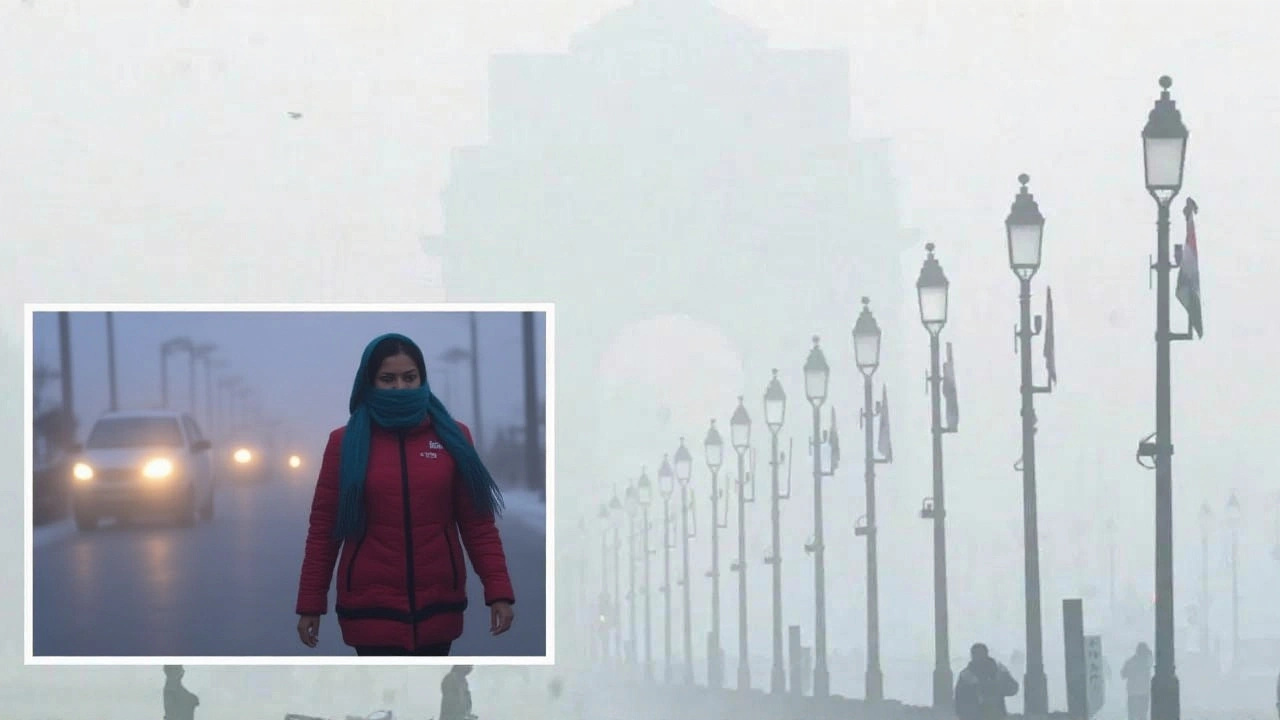
When Delhi-NCR woke up on the morning of December 15, it didn't just face another cold day. It faced a wall. A thick, suffocating blanket of fog rolled in, dropping visibility to near-zero levels and trapping millions in a gray haze that felt less like weather and more like a siege. The India Meteorological Department (IMD) had warned about this, but the sheer intensity caught many off guard.
Here's the thing: this isn't just about squinting through your windshield. We're talking about a perfect storm of biting cold, stagnant winds, and toxic pollution. In areas like Akshardham, the Air Quality Index (AQI) spiked to a hazardous 493. That number alone should send shivers down anyone's spine, especially when combined with temperatures that plummeted overnight.
The Visibility Crisis
Turns out, "low visibility" is an understatement for what happened across the capital region. Reports from major news outlets like NDTV described scenes where drivers were literally crawling along highways. Headlights became useless beams of light scattered by the dense moisture, creating a disorienting whiteout effect.
In central hubs like Sadar Bazar, Palam, and Lodhi Road, visibility hovered between zero and 50 meters. Imagine trying to navigate a busy intersection when you can barely see the car in front of you. It’s terrifying. On National Highway 24, heading toward Ghaziabad, vehicles moved at snail's pace, not because of traffic jams, but because stopping suddenly meant risking a rear-end collision in the blind spot.
The twist? This wasn't uniform. Fog patches appeared unpredictably. One minute you're driving in relative clarity; the next, you're swallowed by a dense cloud. This patchy nature made driving even more dangerous than consistent low visibility would have been.
Transportation Gridlock
If road travel was a nightmare, air and rail networks were in chaos. Aaj Tak reported that flight services were effectively halted. Planes couldn't take off or land safely due to the lack of visual reference points. For travelers stuck at airports, the frustration was palpable. Meanwhile, trains experienced significant delays as operators slowed down to ensure safety on tracks obscured by fog.
This disruption ripples outward quickly. Commuters missed work, students missed classes, and supply chains faced bottlenecks. It’s a reminder of how fragile our infrastructure is when faced with extreme weather conditions. The economic impact might seem small per incident, but cumulatively, these days add up to massive losses.
Health and Education Impact
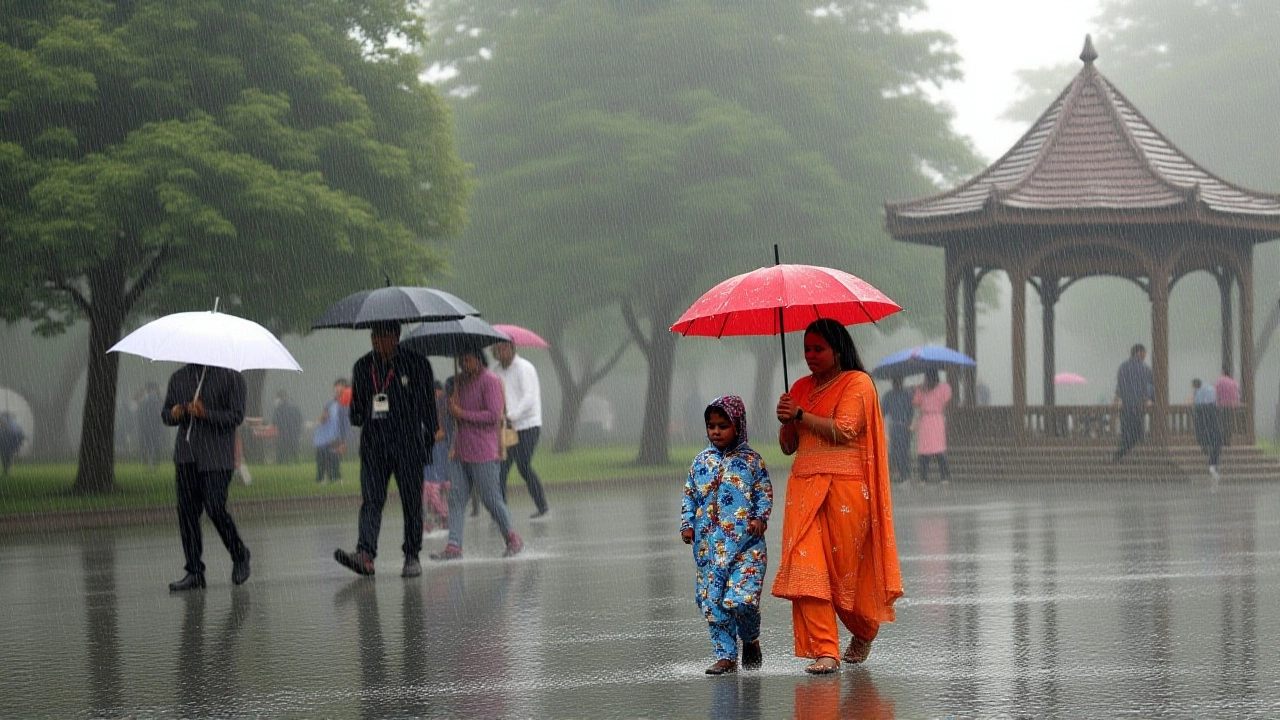
But wait, there's more. The health implications are severe. With AQI levels touching 493 in Akshardham, breathing itself became a risk factor. Respiratory issues surged among vulnerable populations—children, the elderly, and those with pre-existing conditions. Hospitals likely saw an uptick in emergency cases related to asthma and bronchitis.
In response, authorities took decisive action. Schools across Delhi-NCR announced closures. This decision, while inconvenient, prioritized student safety over routine. Parents had to scramble for childcare alternatives, adding stress to an already tense situation. It highlights a broader issue: how do we protect public health during seasonal extremes?
Why Is This Happening?
So, why does Delhi get hit so hard every winter? It’s a combination of geography and human activity. The city sits in a basin-like topography, which traps pollutants close to the ground. Add in crop burning in neighboring states, vehicle emissions, and construction dust, and you’ve got a recipe for disaster. When cold winds settle in, they don’t disperse the smog—they lock it in place.
The IMD attributes the current spell to cold winds and high humidity. These factors create ideal conditions for fog formation. Unlike rain, which washes away particles, fog suspends them in the air, making the mixture heavier and more opaque. It’s like stirring dirt into water instead of letting it settle.
What’s Next?
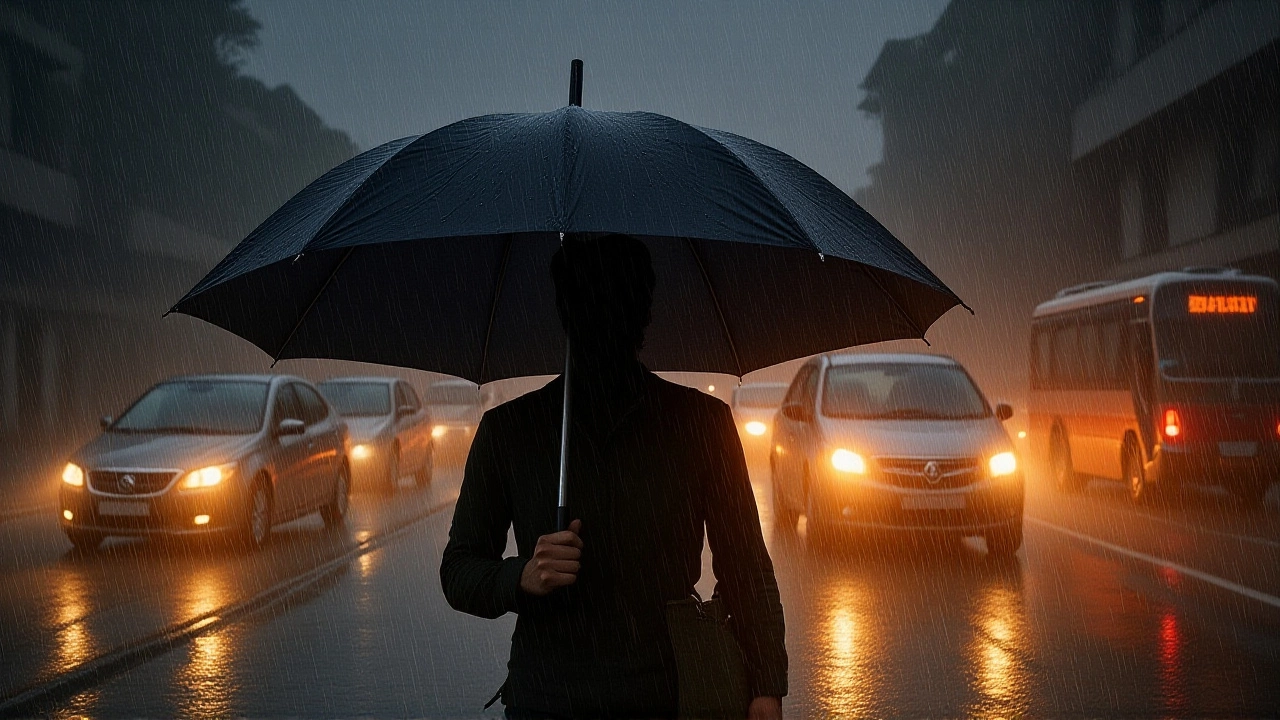
Looking ahead, the outlook isn’t bright. The IMD predicts that dense fog will persist during mornings and evenings for several days. Temperatures remain chilly, with maximums around 24°C in outer areas and minimums dipping to 5°C outside the city core. Inside densely populated zones, lows reached 8°C. Expect continued disruptions until warmer winds arrive later in the season.
Experts suggest long-term solutions are needed beyond temporary bans on vehicles or stoking fires. Better urban planning, stricter enforcement of emission norms, and regional cooperation on agricultural waste management could mitigate future crises. But for now, residents must adapt. Wear masks, limit outdoor exposure, and drive cautiously if you must go out.
Frequently Asked Questions
How bad is the air quality in Delhi right now?
The air quality is hazardous. In areas like Akshardham, the AQI reached 493, which falls into the 'severe' category according to global standards. At this level, everyone may experience serious health effects, including respiratory distress and reduced lung function. It is advisable to avoid prolonged outdoor exertion and use N95 masks if going outside is unavoidable.
Are schools closed in Delhi-NCR due to fog?
Yes, many schools in Delhi-NCR have declared holidays. Authorities made this decision to protect students from poor air quality and unsafe commuting conditions caused by near-zero visibility. Parents should check official notifications from their specific school boards for exact dates and any online learning arrangements.
Will flights resume soon?
Flight operations depend entirely on visibility improvements. Currently, services are largely suspended or heavily delayed. Airlines advise passengers to check with their carriers for real-time updates. There is no fixed timeline for resumption, but operations typically normalize once morning fog lifts slightly, often by late afternoon.
What causes such dense fog in Delhi?
Dense fog in Delhi results from a mix of meteorological and environmental factors. Cold temperatures meet high humidity, causing water vapor to condense. However, the presence of particulate matter from pollution acts as nuclei for droplet formation, making the fog thicker and longer-lasting. Stagnant wind patterns prevent dispersion, trapping the smog-fog hybrid over the city.
How long will this weather last?
The India Meteorological Department forecasts dense fog to persist for several more days, particularly during early mornings and nights. Conditions may improve slightly during midday hours but will likely worsen again after sunset. Significant relief usually comes only when warmer winds shift direction, potentially taking a week or more depending on broader weather systems.